
The Story
“I started Fitol from a need to work with what already exists.
Not to produce more, but to transform what has been left behind, materials with history, waiting to become something new”
Fitol Collections began in 2019 as Φitolojio Workshop, created in a small quest room at home.
Each piece is developed through a hands-on process of selecting, cleaning, and transforming textiles into garments that bridge the past and present.
Rather than creating more, we work with what is already there. Textiles and garments made years ago (40 to 60 years ago) when the made as crafting was slower and quality was different from what now is produced in tones.
This approach brings a different kind of value: time, attention, and care.
Fitol is for those who look for meaning in what they wear, who feel proud wearing a visible past, who value craftsmanship, recognize the difference and individuality of each piece, and pay attention to where and by whom the garment was made.
Why this way of working - Our Values
We believe that too much is produced, and too little is valued.
By working with existing textiles, we slow the process down and focus on what already has worth. Each garment is shaped by its material, not by trends or mass production.
This means:
no two outcomes are the same
materials are respected, not wasted
the process remains visible and honest
Made locally in Amsterdam, using textiles found in Greece, the Netherlands, Belgium and France.
valuing time, care and craftsmanship over speed
Choosing Fitol is not just about the garment.
It is about supporting a different way of making — one that values time, material, and intention.
Grateful always for your love and support,
Katerina
Identity
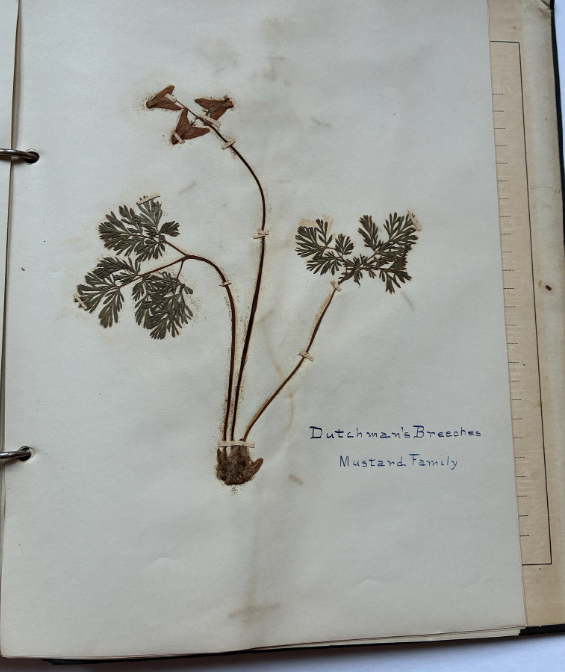
Fitol comes from the Greek word Fitolojio (φυτολόγιο) — a herbarium.
A herbarium is a collection of carefully gathered and preserved plant specimens, each with its own origin and story.
In the same way, Fitol is built on collecting, selecting, and transforming materials over time, creating garments shaped by what already exists.
Each piece becomes part of a growing archive of work.